

… as a step forward for European circularity
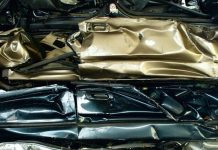
FEAD, the European Waste Management Association, welcomes the European Parliament’s approval of the End-of-Life Vehicles Regulation (ELVR) in yesterday’s plenary vote in Strasbourg, supported by almost 80% of voting MEPs. The final text establishes a strengthened framework to enhance circularity in the automotive sector while recognising the essential role of Europe’s recycling industry in delivering high-quality secondary raw materials.
A credible framework to boost demand for recycled plastics
FEAD is particularly encouraged by the outcome on recycled plastic content, which delivers a robust and workable system to stimulate demand for high-quality recycled plastics.
“The clear limitation to post-consumer plastic waste is essential. It ensures that recycled content targets support real collection, sorting and recycling of plastic waste, while giving operators the long-term certainty they need to invest and scale up capacity to integrate recyclates across Europe,” said Paolo Campanella, Secretary General of FEAD. “With the recycled content target entering into force in six years, the sector has a realistic timeframe to prepare. However, achieving the Regulation’s circularity objectives will require commitment across the entire automotive value chain, from producers to waste management and recycling operators, and we are ready to do our part.”
The introduction of a mirror clause for plastics represents a key achievement, ensuring equivalent requirements for imported materials through audit and verification mechanisms. This strengthens environmental integrity, safeguards fair competition and reinforces confidence in European recycling markets.
Strengthened Extended Producer Responsibility
FEAD also highlights the reinforced Extended Producer Responsibility (EPR) framework, which grants waste management operators an official observer role on producer responsibility organisations (PROs)’ governing bodies. This improves transparency, ensures structured dialogue, and promotes fair, non-discriminatory selection of operators based on clear criteria.
Central role of Authorised Treatment Facilities
FEAD further supports the recognition of Authorised Treatment Facilities (ATFs) as the backbone of the ELV treatment chain. As the entities responsible for issuing Certificates of Destruction, ATFs ensure traceability, proper depollution, and high environmental standards across the recycling process.
Today’s vote in the European Parliament confirms that end-of-life vehicles are not waste to be discarded, but a strategic resource stream for Europe’s circular economy. The agreement strengthens demand for post-consumer recycled materials and reinforces the role of professional recycling operations in supporting the EU’s competitiveness, environmental protection, and strategic autonomy.
FEAD looks forward to the next steps and the effective implementation of this Regulation, ensuring that Europe’s recycling industry can fully contribute to a competitive and circular European economy.
Quelle: FEAD