

Following our news dated 19 January, BIR has officially submitted its position to the European Commission regarding the potential introduction of trade measures for aluminium scrap. We stand with and fully support the contribution of our member association Recycling Europe and all European recyclers.
This submission makes it clear that while our industry fully supports the EU’s circular economy and decarbonization goals, the imposition of export restrictions or trade barriers is fundamentally unnecessary and risks producing significant unintended consequences for the entire value chain.
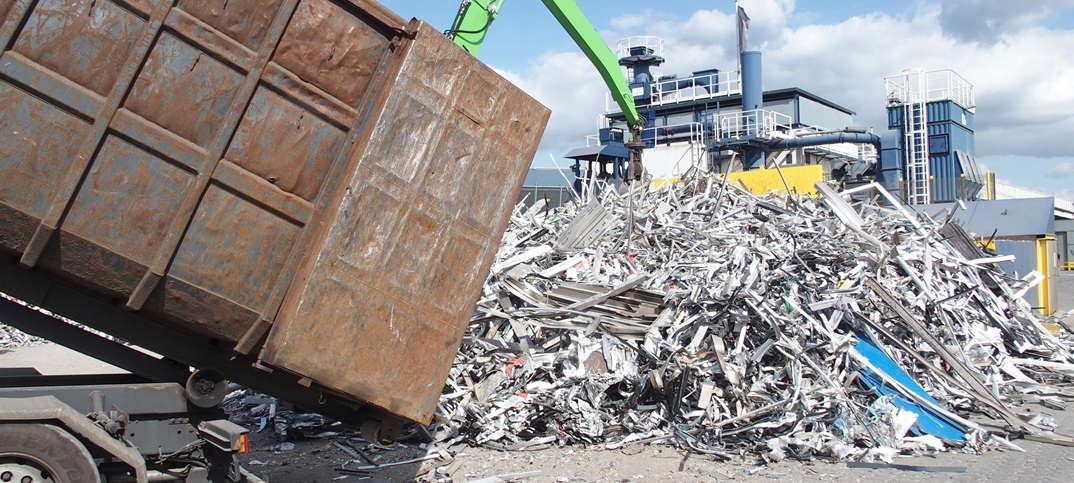
Our response highlights that the Commission’s own monitoring data fails to demonstrate any structural „scrap leakage.“ Instead, the current export volumes reflect a well-functioning market where the EU generates more aluminium scrap than domestic smelters can technically or economically absorb. We have alerted the Commission that restricting these flows would not increase domestic availability; rather, it would distort markets and depress recycled metal prices to the point where the economic viability of recycling operations is threatened. By reducing profitability, these measures would inevitably weaken collection incentives and discourage the very investment needed to meet EU recycling targets.
Furthermore, we underscored the danger of turning what is currently a valuable resource into a financial burden, which increases the likelihood of abandoned or unmanaged waste streams. BIR maintains that the solution lies in evidence-based policymaking that focuses on positive alternatives, such as improving energy affordability, harmonizing regulations, and incentivizing the uptake of recycled content.
Should the Commission proceed with interventions despite these concerns, BIR insists that any measures must be strictly temporary, narrowly targeted, and governed by robust emergency clauses to protect the employment and investment levels of our members.
Read our full answer to the Consultation here.
Source: Bureau of International Recycling (BIR)